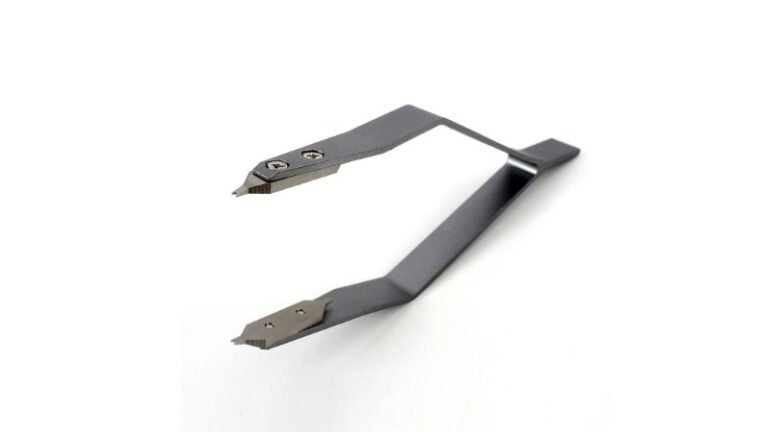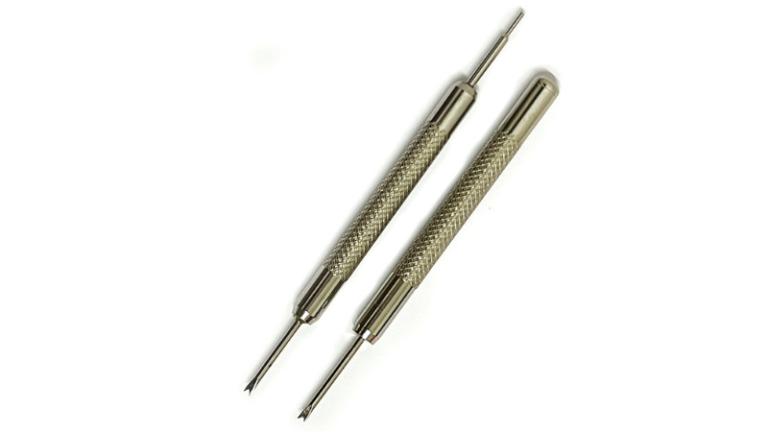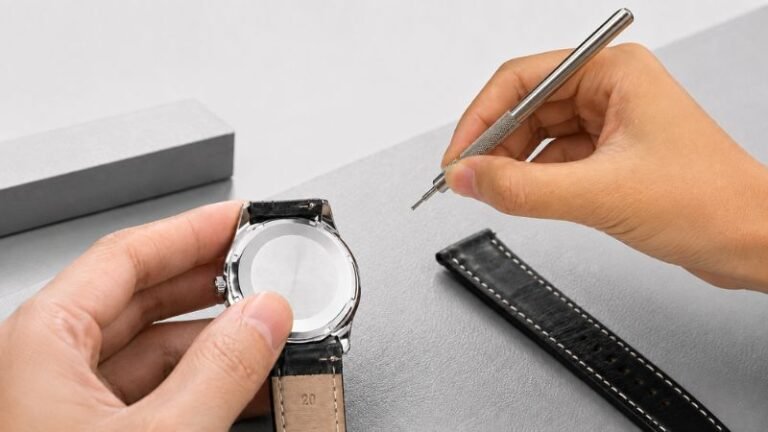
In the watch repair industry, tools may look small, simple and inexpensive. A screwdriver, a spring bar tool, a hand presser or a case opener may not appear complicated from the outside. However, for professional repair shops, watch tool distributors and private-label tool brands, the difference between an ordinary tool and a precision watch tool can directly affect repair safety, working efficiency and customer satisfaction.
Watch repair is not the same as general hardware work. The parts are smaller, the contact points are more delicate, and the visible surfaces are easier to scratch. A tool that is slightly too thick, too soft, too rough or poorly aligned may still look acceptable in a product photo, but it can create real problems during use.
For distributors and repair supply brands, precision is not only a technical detail. It is one of the main factors that determines whether a watch tool can be sold repeatedly, used professionally and trusted by end users.
This article explains how precision affects every key contact point in professional watch tools, helping watch tool distributors, repair supply brands and private-label tool companies evaluate screwdriver tips, spring bar forks, hand pressers, case openers, material hardness, edge finishing and batch consistency before building a reliable wholesale product line.
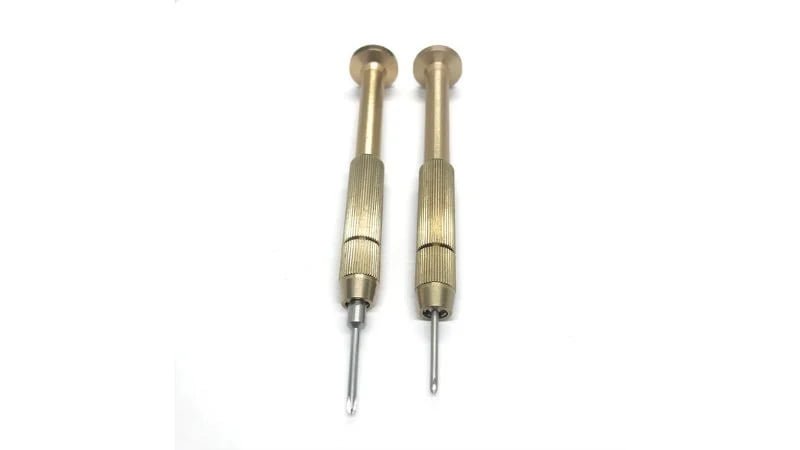
Watch Repair Requires Smaller Tolerances Than General Hardware Work
Watch repair is a small-tolerance job. Many operations take place around narrow gaps, polished surfaces and small mechanical parts. The tool does not have much room for error.
When adjusting a bracelet, the fork of a spring bar tool must reach into the gap between the strap and the lug without scratching the case. When removing a small screw, the screwdriver tip must fit the slot correctly without slipping. When pressing watch hands, the force should be straight, stable and controlled so that the hands sit evenly without damaging the dial or movement.
These are not heavy-duty repair tasks where extra force can solve the problem. In watch repair, too much force or poor tool fitting often makes the problem worse. A tool that does not match the watch part accurately may damage the component before the user even realizes what happened.
For this reason, professional watch tools need more precise contact points than ordinary hardware tools. The working end of the tool must be shaped, finished and controlled for small parts. For distributors and repair supply brands, this is where product quality becomes visible to the end user.
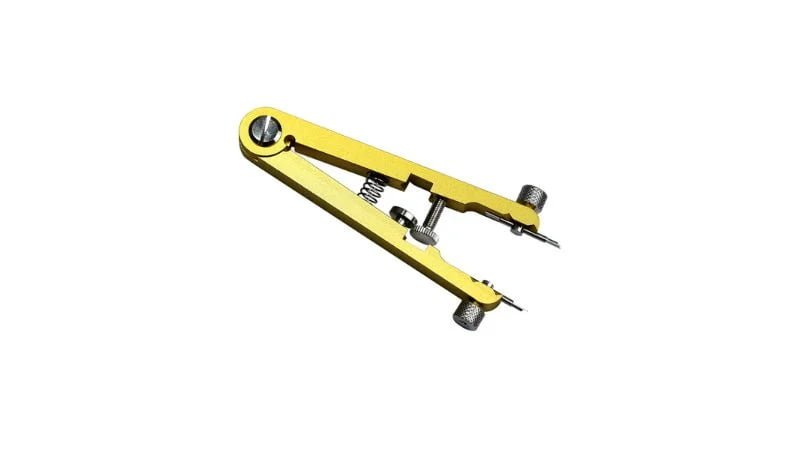
Precision Starts from the Working Tip
The most important part of many watch repair tools is not the handle, the packaging or the surface color. It is the working tip.
This is the part that touches the watch directly. Whether it is a screwdriver blade, a spring bar fork, a pressing tip or a case opening edge, the working tip determines how safely and smoothly the tool performs.
A good-looking tool can still perform poorly if the working tip is inaccurate. For professional buyers, this is one of the most important details to check before placing a bulk order.
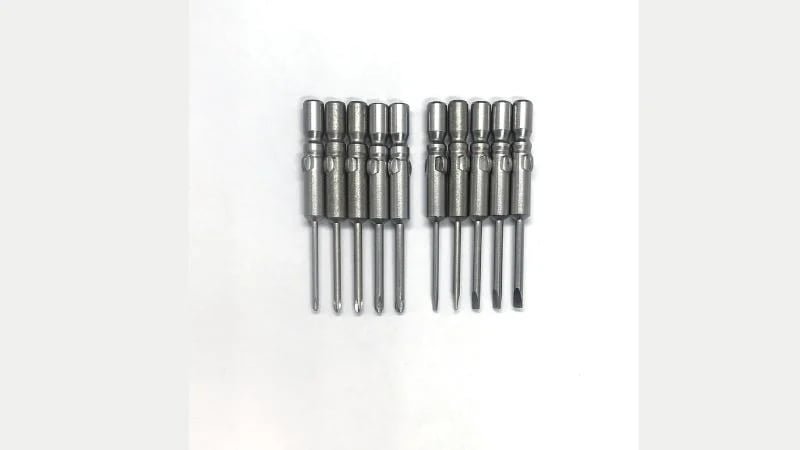
Screwdriver Tips Must Match the Screw Slot
Watch screwdrivers are among the most common tools in watch repair, but they are also one of the easiest tools to judge incorrectly by appearance. Many buyers only look at the marked size, such as 0.8mm, 1.0mm or 1.2mm. In real use, the actual performance depends on more than the size marking.
The screwdriver tip must have the right width, thickness, edge shape and hardness. If the tip is too thick, it may not enter the screw slot correctly. If it is too thin or too soft, it may bend or wear quickly. If the edge is not flat or well finished, it may slip and damage the screw head.
This is especially important for small watch screws and decorative screws, where the screw slot is shallow and the surface is visible. Once the screw head is damaged, the repair becomes more difficult and the end user may blame the tool quality.
For watch screwdriver buyers, tip precision is a key quality point. A professional screwdriver set should offer stable sizing, clean blade finishing and consistent performance across repeat orders.
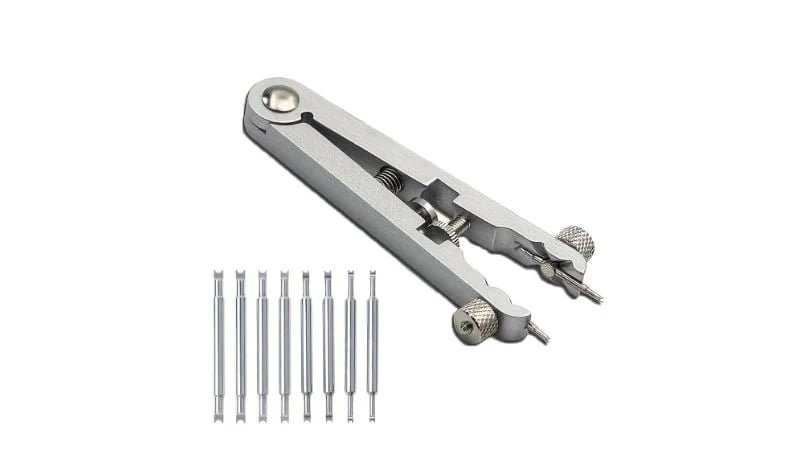
Spring Bar Tools Need Accurate Fork Shape
A spring bar tool may look like a simple product, but the fork shape is critical. The fork must be thin enough to enter the space between the strap and the watch lug, but strong enough not to bend or deform during use.
If the fork is too thick, it can be difficult to reach the spring bar. If the edge is rough, it may scratch the lug or damage the strap. If the steel is too soft, the fork may open or deform after repeated use. For watch strap brands and bracelet tool distributors, this can become a common source of customer complaints.
A precise spring bar tool should offer a balance between thinness, strength and smooth finishing. The fork should be shaped for practical use, not only for appearance. This is especially important for customers who sell watch strap changing tools, bracelet tools or repair kits to end users.
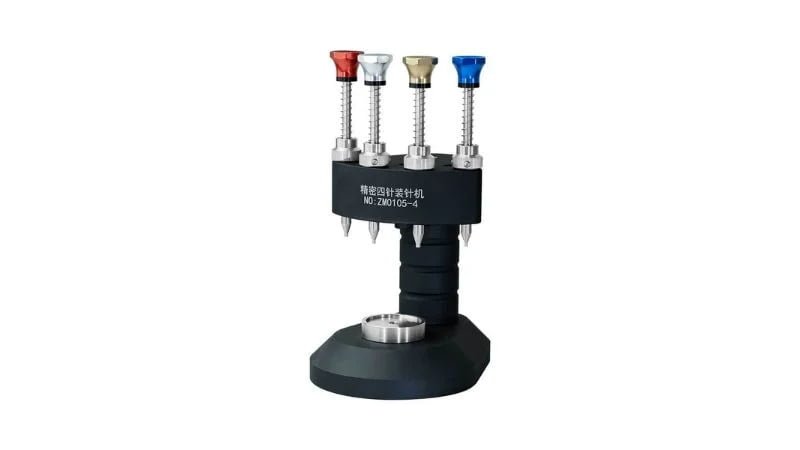
Hand Pressers Need Vertical and Controlled Pressure
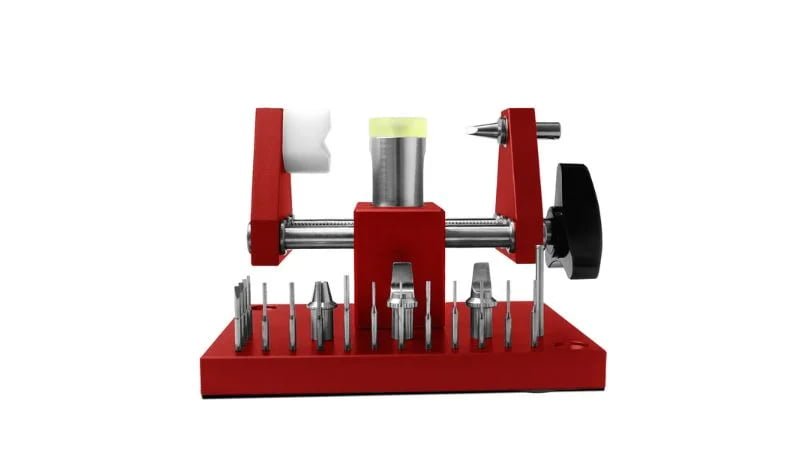
Watch hand setting is another task where precision matters. A watch hand presser is not simply a tool for pushing a hand down. It must apply pressure in a controlled and vertical way.
If the pressure is not stable, the hand may be pressed unevenly. If the pressing tip size is not suitable, it may mark the hand, touch the dial or affect the spacing between the hands. In more serious cases, uneven pressure can create stress on the movement shaft.
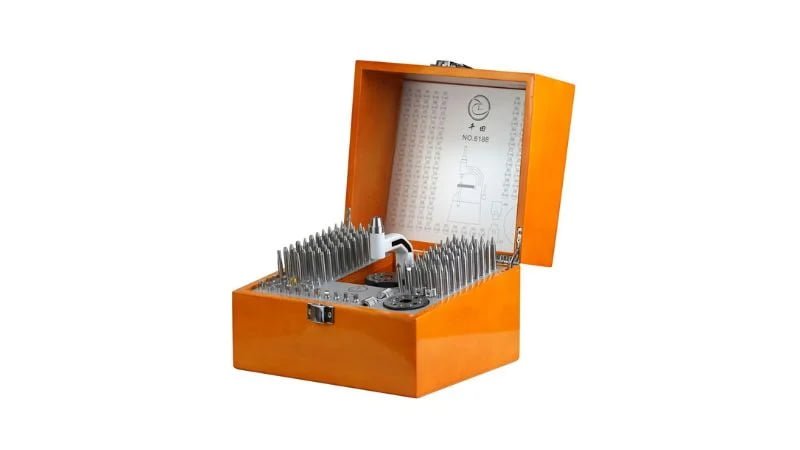
For buyers sourcing watch hand pressers or hand setting tools, several details should be checked: the stability of the base, the vertical movement of the press, the available pressing tip sizes and the material of the tips. These details affect whether the tool is suitable for professional repair work or only basic use.
Poor Precision Can Increase Repair Risk
When watch tools lack precision, the risk is not only that the tool feels less comfortable. The bigger problem is that poor precision can damage the watch during repair.
Common problems caused by poorly made watch tools include damaged screw slots, scratched lugs, bent spring bars, unstable case opening, misaligned hands, rough marks on visible parts and longer repair time. These problems may happen quickly, especially when the tool is used by a repair shop or a serious watch hobbyist.
For distributors, this is not only a technical issue. It is also a business issue. If end users receive tools that slip, bend, scratch or wear out too quickly, they may return the product, leave negative reviews or avoid buying from the same brand again.
A watch tool that looks correct but does not fit accurately can still damage the repair result. This is why professional buyers should not make sourcing decisions based only on product photos or the lowest unit price.
A slightly cheaper tool may look attractive at first, but if it creates complaints, replacements or lost repeat orders, the real cost can become much higher.
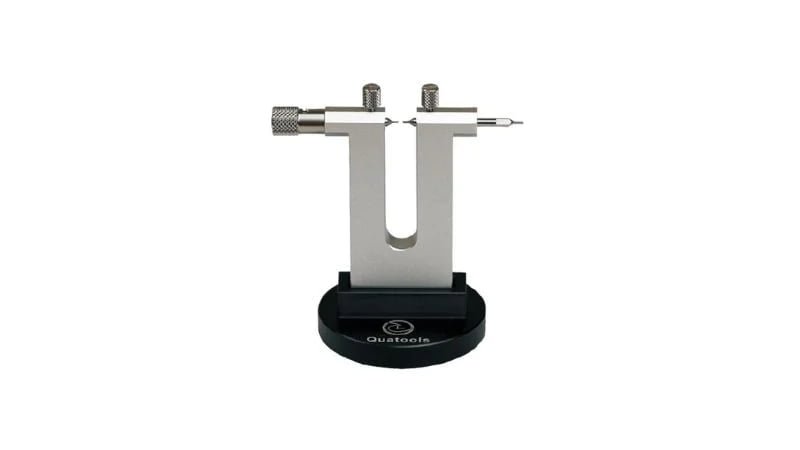
Material, Hardness and Processing Accuracy Work Together
Precision is not created by one factor alone. A reliable watch tool usually depends on the right combination of material, hardness, processing accuracy and finishing.
Material selection affects strength and wear resistance. If the material is too soft, the working tip may deform during use. If it is too hard but lacks toughness, the tip may chip or break. Heat treatment and surface finishing also affect durability, corrosion resistance and long-term performance.
Processing accuracy is equally important. A tool sample may look good, but distributors need stable quality across bulk production and repeat orders. If the same screwdriver size feels different from one batch to another, or if the spring bar fork shape changes between shipments, the buyer will face consistency problems in the market.
This is why batch stability matters. For professional watch tool distributors, one good sample is not enough. The supplier must be able to maintain stable dimensions, finishing and material quality in regular production.
Precision Also Affects Tool Life and Customer Repeat Orders
In B2B sourcing, the value of precision is not limited to first-time product quality. It also affects tool life, customer satisfaction and repeat orders.
A well-made precision tool is usually more durable and more comfortable to use. It performs more predictably, reduces unnecessary repair mistakes and gives the end user more confidence. For professional repair shops, this matters because tools are used repeatedly. For distributors, it matters because satisfied customers are more likely to reorder.
Low-price tools may sell quickly in entry-level markets, but if they wear out fast or cause user complaints, they can weaken the brand’s reputation. For private-label watch tool brands, unstable quality is especially risky because the customer remembers the brand name, not the factory behind it.
For watch tool distributors, precision is not only a technical standard. It is part of product reputation.
When a distributor builds a product line around professional watch repair tools, consistent quality becomes part of the selling point. A reliable tool range can support repeat sales, accessory sales and long-term customer trust.
How Buyers Can Evaluate Precision Watch Tools Before Ordering
Before placing a bulk order, buyers should not only check whether the tool looks similar to market products. They should check whether the tool is suitable for real repair use.
The following points can help buyers evaluate professional watch tools more clearly:
| What to Check | Why It Matters |
|---|---|
| Working tip size and shape | Determines whether the tool fits the watch part correctly |
| Edge finishing | Helps reduce scratches on cases, lugs and bracelets |
| Material hardness | Affects durability, deformation and wear resistance |
| Grip and control | Improves handling during small repair operations |
| Tool alignment | Important for press tools, case tools and hand setting tools |
| Batch consistency | Essential for distributors and repeat orders |
| Replacement parts | Useful for screwdriver blades, press tips and repair kits |
| Packaging options | Important for private-label tool brands and retail sales |
For a watch screwdriver, buyers should check the blade shape and tip finishing. For a spring bar tool, the fork thickness and edge smoothness should be reviewed. For a watch hand presser, the vertical pressure and tip sizes should be checked. For a case opener, the contact edge and stability are important.
Professional buyers should also ask whether the supplier can support consistent repeat production. This is especially important for distributors who sell the same tool range over time and need stable replenishment.
Why Stable Supply Matters for Watch Tool Distributors
Precision is important, but supply stability is just as important for watch tool distributors.
Watch tools are often sold as multi-SKU product lines. A distributor may need screwdrivers in different sizes, spring bar tools, case openers, hand pressers, bracelet adjustment tools, link removers, tweezers, case back tools and repair kits. If the supplier cannot provide stable replenishment, it becomes difficult for the buyer to maintain a complete product range.
For online sellers and private-label brands, this can directly affect sales. A missing screwdriver size, an unavailable replacement tip or an inconsistent package design can interrupt the product line. For wholesalers, unstable supply can delay customer orders and reduce trust.
A reliable watch tool manufacturer should support not only one-time production, but also regular replenishment, special specifications and private-label packaging. This is especially important for buyers who want to develop their own branded watch repair tool kits or supply professional repair shops.
For distributors, a good supplier should help answer practical questions:
Can this product be reordered regularly?
Can the tool be supplied with the same specification next time?
Can we adjust the packaging for our brand?
Can we create a tool kit for different customer levels?
Can the supplier support both ready stock and special specifications?
These questions are often more important than saving a small amount on the first order.
Choosing the Right Precision Watch Tool Manufacturer
When choosing a precision watch tool manufacturer, buyers should look beyond product photos and price lists. The right supplier should understand how the tools are used in real watch repair applications.
A professional supplier should be able to explain the tool’s working function, key specifications, material options and suitable usage scenarios. For distributors and brands, the supplier should also understand packaging, replenishment and product line planning.
Before confirming an order, buyers can ask the following questions:
Does the supplier understand professional watch repair applications?
Can the supplier provide stable quality, not only one good sample?
Are the working tips accurate and smoothly finished?
Can the supplier support multiple watch tool categories?
Are ready-stock items available for faster replenishment?
Can special specifications be discussed when needed?
Can the supplier support private-label packaging or tool kits?
Worldmile works with watch tool distributors, watch strap brands and professional repair supply brands by offering ready-stock watch tools, special specifications and private-label tool kit solutions. For buyers who need a stable product line rather than a one-time purchase, precision, consistency and replenishment support should be considered together.
Conclusion: Precision Protects Both the Watch and the Tool Brand
In watch repair, precision is not a luxury feature. It is a basic requirement that allows a tool to work safely, consistently and professionally.
For end users, precision helps protect the watch during repair. For repair shops, it improves working efficiency and reduces avoidable mistakes. For distributors and private-label brands, it helps reduce complaints, improve repeat orders and build a more reliable product line.
A professional watch tool should not only look correct. It should fit correctly, perform consistently and remain stable through repeated use. For buyers sourcing watch repair tools, this is the real value of precision.
If you are sourcing precision watch tools for wholesale, private label or regular replenishment, Worldmile can support ready-stock products, special specifications and private-label watch tool kits for your market needs.
FAQ
What are precision watch tools?
Precision watch tools are tools designed for small and delicate watch repair tasks, such as screw removal, bracelet adjustment, case opening, hand setting and spring bar replacement. Compared with general hardware tools, they require more accurate working tips, smoother finishing and better control.
Why are precision watch tools important for distributors?
For distributors, precision affects customer satisfaction, product reviews and repeat orders. Poorly made tools may slip, bend, scratch watch parts or wear out quickly, which can lead to returns, complaints and weaker brand trust.
Which watch tools require the highest precision?
Watch screwdrivers, spring bar tools, hand pressers, case openers and bracelet adjustment tools all require stable precision. These tools contact small or visible watch parts, so poor fitting or rough edges can easily cause damage.
How can buyers choose a reliable watch tool manufacturer?
Buyers should check the supplier’s tool specifications, sample quality, working tip accuracy, material, finishing, batch consistency, stock availability and packaging support. For private-label brands or distributors, stable replenishment and consistent repeat quality are especially important.